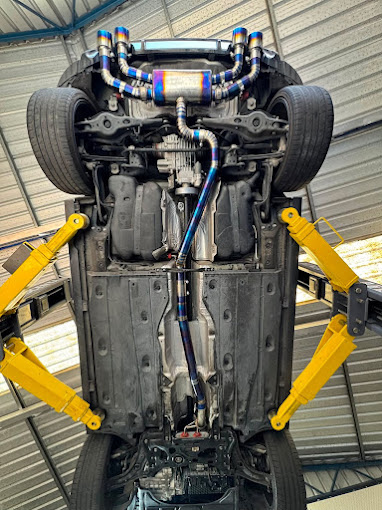
I’ve always thought a great exhaust should do more than make your car louder. The right system can sharpen the engine’s character, improve exhaust flow and give your drive a more satisfying soundtrack without turning every trip to the shops into a neighbourhood concert.
If you’re considering a performance exhaust in Perth, I’d start with one simple question: What do you actually want from your car? More power? Better throttle response? A deeper note? Or simply a cleaner, sportier look? Your answer should guide almost every decision that follows.
Start With Your Driving Goals
Before choosing a Performance Exhaust, I recommend deciding what you want to change about the way your vehicle drives and sounds. A daily commuter needs a different setup from a weekend performance car, while a modified turbo vehicle may need a completely different exhaust strategy again.
Think about how you use your vehicle. If you spend most mornings crawling through Perth traffic, excessive drone can become annoying very quickly. If you enjoy weekend drives through the hills, you might want a stronger exhaust note and improved engine response.
The best upgrade should complement your driving style rather than simply chase the loudest possible sound.
What Does a Performance Exhaust Actually Do?
A performance exhaust helps the engine move exhaust gases away from the combustion process more efficiently. Depending on the vehicle and the design, reducing unnecessary restrictions can support better airflow and help the engine work more effectively.
However, I wouldn’t assume that the biggest pipe automatically creates the biggest improvement. Exhaust design involves pipe diameter, bends, mufflers, resonators, catalytic converters and the engine’s overall setup.
A properly matched system can deliver a more responsive feel while maintaining useful low- and mid-range performance. Go too extreme, and you may sacrifice drivability, create unwanted noise or spend money without getting the result you expected.
Choose the Right Exhaust Type
You’ll usually come across several common exhaust configurations when shopping for an upgrade.
| Exhaust option | What it changes | Best suited to |
| Cat-back | Exhaust components after the catalytic converter | Sound and overall flow improvements |
| Axle-back | Rear section of the exhaust | Sound and appearance |
| Headers/extractors | Exhaust flow directly from the engine | More extensive performance builds |
| Turbo-back | Exhaust system after the turbocharger | Suitable turbo performance applications |
| Custom exhaust | Components designed around the vehicle | Specific performance goals |
I like to think of these systems as different levels of intervention. An axle-back can give your car a new personality without changing much else. A more comprehensive system can form part of a wider performance build.
For a standard daily driver, I’d avoid changing more components than you actually need.
Don’t Choose Your Exhaust Based on Sound Alone
Let’s be honest: sound matters. That deep growl when you press the accelerator can make an ordinary drive feel considerably more interesting.
But sound should sit alongside performance, comfort and legality.
A muffler that sounds fantastic for ten minutes might become irritating after two hours on the freeway. You should also consider cabin drone, particularly if you regularly travel long distances around Perth.
I’d listen to real-world recordings where possible, but I’d also ask how the vehicle behaves at cruising speed. A great exhaust should sound exciting when you want it to and settle down when you don’t.
Check Western Australian Requirements
Before installing a performance exhaust, I always recommend checking the rules that apply to your particular vehicle and modification. Western Australian requirements cover vehicle noise and emissions, and modified vehicles can face specific inspection or approval requirements. The WA Department of Transport and Major Infrastructure provides guidance on vehicle environmental standards, including noise and emissions requirements.
That matters because an exhaust can look fantastic and sound brilliant while still creating compliance headaches. I’d rather check the requirements before installation than discover a problem after spending money on the upgrade.
Match the Exhaust to Your Engine
Your engine should influence the exhaust you choose.
A naturally aspirated engine, turbocharged petrol engine and turbo-diesel engine can respond differently to exhaust changes. The same exhaust design won’t necessarily produce the same result across every platform.
For example, turbocharged engines often benefit from efficient exhaust flow because the turbocharger sits within the exhaust path. Meanwhile, naturally aspirated engines can require a more carefully balanced approach to pipe sizing and exhaust velocity.
That’s why I wouldn’t copy the setup from another car simply because it sounds good on social media. Your mate’s build might look spectacular on Instagram and still make little sense for your engine.
Consider Pipe Diameter Carefully
Bigger isn’t always better.
This is one of the most common mistakes I see when people start researching a performance exhaust. A larger pipe can support greater exhaust flow, but an oversized system may not suit a relatively standard engine.
Your engine’s displacement, power level, turbo setup and future modifications should all influence the diameter.
If you plan to add other performance upgrades later, tell your exhaust specialist. I’d rather build a system with your future goals in mind than replace components twice.
Stainless Steel or Mild Steel?
Material also affects your decision.
Stainless steel generally offers strong corrosion resistance and can provide a clean, long-lasting finish. That makes it attractive for vehicles that see plenty of daily driving and changing weather conditions.
Mild steel can offer a more budget-conscious route, although corrosion resistance depends heavily on the material, coating and environment.
For a quality performance exhaust, I’d look beyond the material name and consider the quality of the fabrication, welds, bends, hangers and overall installation.
A shiny exhaust tip might catch your eye first. Good engineering should catch your attention second.
Think About the Whole Exhaust System
Your exhaust doesn’t work in isolation.
Catalytic converters, mufflers, resonators and other components all influence how the system performs and sounds. Changing one section can alter the behaviour of the rest.
I recommend looking at the exhaust as a complete system rather than choosing individual parts based solely on price or appearance.
You should also consider your vehicle’s current modifications. If you already have an upgraded intake, turbocharger, ECU tune or other engine modifications, tell your installer before selecting your exhaust.
That information can help them choose a system that works with the rest of the vehicle.
Don’t Ignore Exhaust Drone
Exhaust drone deserves its own conversation.
Drone usually refers to a repetitive, booming exhaust sound that becomes particularly noticeable at certain engine speeds. It can sound aggressive from outside the vehicle but become surprisingly tiring inside the cabin.
If you use your car every day, I’d prioritise a system that delivers a sporty note without constantly filling the cabin with low-frequency noise.
Resonators and mufflers can help shape the sound, depending on the design. A good exhaust specialist can help you find the right balance between character and comfort.
Consider Future Modifications
Are you planning to tune the car later? Maybe upgrade the turbo? Add supporting modifications?
Tell your exhaust specialist now.
A performance exhaust should ideally form part of a broader plan if you intend to build the vehicle over time. Otherwise, you could end up replacing an otherwise perfectly good system when your next modification changes your requirements.
I prefer a staged approach. Start with your actual goals, understand the vehicle’s current setup and then choose components that make sense for the next stage.
Why Professional Fitment Matters
Even an excellent exhaust can disappoint when someone installs it poorly.
Poor alignment can create clearance issues, unwanted vibrations, exhaust leaks or premature wear. Incorrect hanger positioning can also place unnecessary stress on components.
Professional installation gives you another advantage: experience.
An experienced exhaust specialist can look at your vehicle, understand your goals and identify practical issues before they become expensive problems.
For me, that’s far more valuable than simply buying the cheapest system online and hoping everything lines up perfectly.
Performance, Sound and Everyday Comfort
I’d use three simple questions when comparing exhaust options:
- Does it suit my vehicle?
- Does it deliver the sound and performance I actually want?
- Can I comfortably live with it every day?
If the answer to all three is yes, you’re moving in the right direction.
Remember, your ideal performance exhaust doesn’t necessarily produce the loudest sound or claim the biggest power increase. It should create a balanced improvement that matches your vehicle and your expectations.
What Should You Ask an Exhaust Specialist?
Before booking the work, I’d ask:
- What exhaust configuration suits my vehicle?
- Will the system create cabin drone?
- What pipe diameter do you recommend and why?
- Will the exhaust work with my existing modifications?
- Do I need to consider any WA approval or inspection requirements?
- Will the system affect emissions equipment?
- What level of sound should I expect?
- Can the system support future modifications?
- What warranty applies to the components and workmanship?
A good specialist should explain the reasoning behind the recommendation rather than simply pointing you towards the most expensive option.
Common Mistakes to Avoid
Choosing a performance exhaust becomes much easier when you know what not to do.
Choosing the loudest system: Loud doesn’t automatically mean powerful.
Copying another car: Different engines and modifications can produce completely different results.
Ignoring legality: Always consider applicable WA vehicle standards before modifying your exhaust.
Choosing on price alone: Cheap components can become expensive when poor fitment or premature replacement enters the picture.
Forgetting daily comfort: Your car might sound fantastic for a short drive but become tiring during a long commute.
Planning only for today: If you intend to modify the engine later, factor that into your exhaust decision now.
How Much Should You Focus on Power?
Power gains depend heavily on the vehicle, its original exhaust design and the other modifications already installed.
I’d be cautious whenever someone promises a dramatic horsepower increase from an exhaust alone. A good system can improve flow and complement other modifications, but the final result depends on the complete vehicle.
Think of the exhaust as one part of the performance puzzle.
The best results usually come when the intake, exhaust, engine management and other supporting components work together rather than fighting for attention.
The Perth Factor
Perth drivers deal with plenty of everyday driving, long stretches of road and hot Australian conditions. That makes durability and drivability especially important when choosing an exhaust.
I’d look for quality fabrication, secure mounting, sensible sound levels and a system that suits how you actually drive.
Whether you own a performance-focused weekend car or a vehicle that handles the daily commute, your exhaust should feel like a natural extension of the vehicle rather than an aftermarket add-on screaming for attention.
Conclusion: Choose the Exhaust That Fits Your Car
Choosing the right performance exhaust comes down to more than chasing a louder note. I’d look at your engine, driving style, desired sound, exhaust configuration, pipe sizing, materials, future modifications and WA requirements before making a decision.
Most importantly, choose a system that works with your vehicle.
If you’re ready to explore your options and want advice based on your vehicle and performance goals, Get in touch with our team. A properly planned exhaust upgrade can give your car a sharper personality, better-flowing system and a soundtrack that makes every drive that little bit more enjoyable.
FAQs About Performance Exhausts
Is a performance exhaust worth it?
A performance exhaust can make sense if you want improved exhaust flow, a sportier sound or a better-matched system for a modified engine. The result depends on your vehicle and the rest of its setup.
Does a performance exhaust increase horsepower?
It can contribute to improved performance, but the exact result varies between vehicles. Engine design, exhaust configuration, pipe sizing and other modifications all influence the outcome.
Will a performance exhaust make my car louder?
Usually, yes. However, the amount of sound depends on the mufflers, resonators, pipe configuration and overall system design. You can choose a setup that sounds sportier without creating excessive cabin noise.
Is a performance exhaust legal in Perth?
Your modified vehicle must comply with applicable Western Australian vehicle standards, including relevant noise and emissions requirements. Always check the requirements that apply to your specific vehicle and modification before installation.
What is better: a cat-back or axle-back exhaust?
It depends on your goal. An axle-back system mainly changes the rear section and can focus heavily on sound, while a cat-back system changes a larger portion of the exhaust and can provide broader changes to flow and sound.
Should I get an exhaust tune after installation?
Not every vehicle requires a tune after an exhaust upgrade. However, some modified vehicles may benefit from ECU calibration, particularly when the exhaust forms part of a larger performance package.
How do I choose the right exhaust sound?
Think about how you use the vehicle. If you drive daily, consider cabin comfort and drone. If you mainly drive for enjoyment, you may prefer a more aggressive note. I’d listen to examples and discuss your preferences with an experienced exhaust specialist.
What exhaust material should I choose?
Stainless steel offers strong corrosion resistance and durability, while other materials can provide different cost and fabrication options. I’d consider the quality of the entire system rather than choosing purely by material.
Can I install a performance exhaust on a standard car?
Yes, depending on the vehicle and the type of system. A properly selected exhaust can work with a relatively standard vehicle, but I’d choose the specifications around the engine rather than installing the largest possible system.
Should I choose an exhaust based on future modifications?
If you already have plans for additional engine or turbo upgrades, tell your exhaust specialist. Planning ahead can help you avoid buying a system that you later need to replace.