Your engine needs more than fuel and a spark to make power. It needs air – and plenty of it. That’s where air intake piping earns its keep, directing clean air towards the engine while helping the whole intake system breathe properly.
If you drive around Perth, tow regularly, enjoy weekend trips out of town or simply want your modified vehicle to work as it should, the intake system deserves more attention than it usually gets.
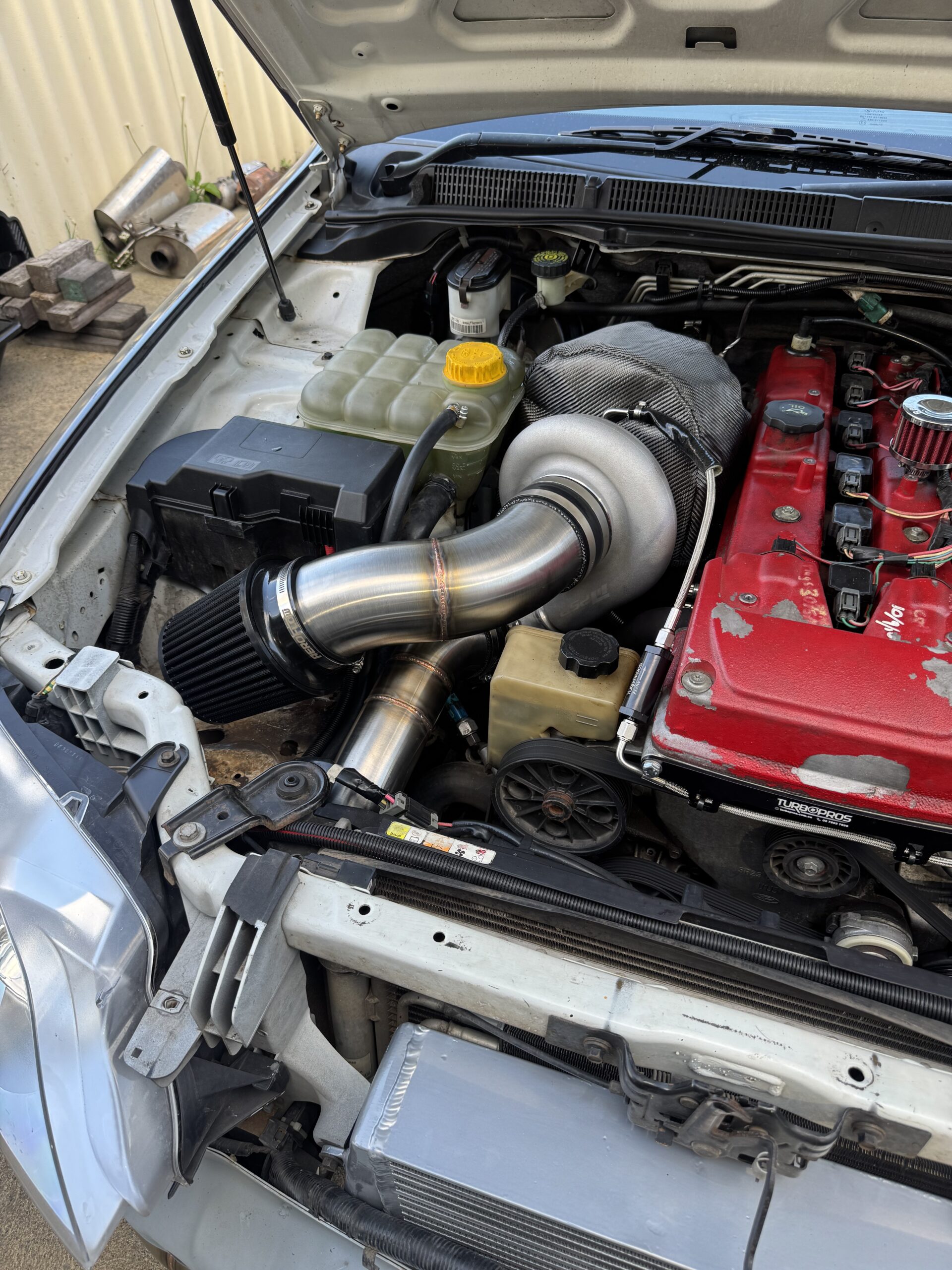
The right Air Intake Piping can create a cleaner, more efficient route for incoming air, particularly when you’re working with a turbocharger, upgraded airbox, snorkel or other performance modifications. I always look at the intake system as one connected setup rather than treating a single pipe as a magic performance button.
What Is Air Intake Piping?
Air intake piping connects different parts of an engine’s air induction system. Depending on the vehicle, that system can include the airbox, air filter, snorkel, intake pipe, turbocharger, intercooler and throttle body.
Think of it as the road your engine uses to collect its breath.
When you press the accelerator, the engine demands more air. The intake system needs to deliver that air smoothly and consistently. Poorly designed piping can introduce unnecessary restrictions, awkward bends, turbulence or leaks.
Good air intake piping gives that incoming air a sensible path from the intake point towards the engine.
That doesn’t automatically mean a larger pipe equals more power. Diameter, length, bends, material, connections and the rest of the intake system all matter. Bigger isn’t always better – just ask anyone who has ever bought trousers two sizes too large.
Why Does Airflow Matter to Your Engine?
Your engine mixes air with fuel to create combustion. So, naturally, the quality and quantity of the incoming air matter.
When airflow remains smooth and unrestricted, the engine can draw in the air it needs without fighting unnecessary resistance. A well-matched intake system can also complement other modifications, particularly on turbocharged engines.
I like to think of it this way: imagine trying to breathe through a drinking straw while running. You can do it, but your lungs have to work harder. Your engine faces a similar problem when its intake path creates unnecessary restrictions.
Several factors can affect intake airflow:
- Pipe diameter and design
- Number and sharpness of bends
- Internal surface condition
- Connections and couplers
- Air filter design
- Snorkel or airbox configuration
- Turbocharger requirements
- Heat around the intake system
Air Intake Piping and Turbocharged Engines
Turbocharged engines can place even greater demands on the intake system.
A turbocharger uses exhaust energy to compress incoming air before sending it towards the engine. That means the pipework connecting the turbo, intercooler and engine needs to cope with airflow, pressure and heat.
A poorly designed or poorly sealed system can create headaches.
For example, a loose connection can allow unwanted air to enter or escape from the intended airflow path. A restrictive section can also affect how efficiently the system moves air.
With a custom setup, I’d consider the entire route rather than simply replacing one section of pipe. The goal should be a properly matched system that works with the vehicle’s existing hardware and any other modifications.
What Are the Benefits of Custom Air Intake Piping?
Custom piping can make sense when the factory setup no longer suits the way you use or modify your vehicle.
A properly designed system can offer several practical advantages:
| Feature | Why it matters |
| Smooth routing | Helps create a cleaner airflow path |
| Correct diameter | Matches the requirements of the engine and intake system |
| Quality joins | Helps reduce unwanted leaks |
| Heat-aware design | Helps manage exposure to engine-bay heat |
| Strong materials | Provides durability under everyday driving conditions |
| Custom fitment | Works around upgraded components and limited engine-bay space |
The important word here is properly.
A shiny pipe under the bonnet might look impressive for five minutes, but appearance alone doesn’t guarantee better airflow. I’d rather see a well-routed system that fits properly, seals correctly and suits the vehicle than a collection of oversized pipes that look like they belong in an industrial plant.
How Air Intake Piping Can Support Engine Performance
One common question I hear is: Will better intake piping give me more power?
The honest answer depends on the vehicle and the complete intake system.
If your existing setup creates a restriction, leaks or doesn’t suit your other modifications, improving the airflow path can help the engine operate more effectively. On a turbocharged vehicle, correctly designed intake and intercooler piping can also become particularly important as airflow demands increase.
However, air intake piping should work as part of a complete system.
Your air filter, airbox, turbocharger, intercooler, throttle body, engine management and exhaust all influence how the vehicle performs. Changing one component without considering the rest can produce disappointing results.
Signs Your Intake System May Need Attention
You don’t need to wait for a dramatic engine problem before inspecting the intake system.
I’d pay attention if you notice:
- Loose or damaged connections
Cracked hoses, tired clamps and damaged couplers can create leaks. - Unusual intake noises
New hissing, whistling or sucking sounds may indicate an issue worth investigating. - Poor fitment
Piping that rubs against surrounding components can eventually suffer damage. - Heat exposure
Intake components positioned close to major heat sources can face unnecessary thermal stress. - Visible damage
Dents, cracks or distorted sections deserve a closer look. - Changes after modifications
If you’ve upgraded a turbocharger, intercooler, airbox or snorkel, the existing piping may no longer provide the ideal setup.
A quick inspection can often identify a small problem before it becomes an expensive one.
Choosing Air Intake Piping for a Perth Vehicle
Perth gives drivers a pretty broad mix of conditions. You might spend Monday commuting through the suburbs, head across town on Tuesday and then point the vehicle towards regional roads on the weekend.
That means durability and practical fitment matter.
Before choosing new air intake piping, consider:
1. Your vehicle and engine
A setup that works beautifully on one engine may not suit another. Engine layout, turbo position and available space all influence the design.
2. Your existing modifications
Tell your fabricator about your airbox, snorkel, turbocharger, intercooler and other upgrades. The more complete the picture, the better the final design.
3. The material
Aluminium and other suitable materials can provide a strong, lightweight solution, but the correct choice depends on the application, temperatures and required configuration.
4. Pipe diameter
Avoid choosing a diameter simply because it looks impressive. The correct size should suit the engine and overall intake system.
5. Heat management
Your engine bay can become seriously warm. Good routing can help keep the intake path away from unnecessary heat sources where practical.
6. Legal requirements
This part matters just as much as performance. In Western Australia, vehicle modifications must continue to meet applicable requirements. Transport WA specifically lists certain engine and intake-related modifications under its inspection and approval framework. You can check the current requirements through the Western Australian Government’s vehicle modification guidance before making changes.
Air Intake Piping vs Factory Intake Systems
Factory intake systems already provide a carefully engineered solution for standard vehicles. They generally balance airflow, noise, emissions, packaging, durability and manufacturing cost.
So why modify one?
Usually because the vehicle itself has changed.
If you have installed a larger turbocharger, upgraded intercooler, custom snorkel, performance airbox or other components, the original pipework may no longer suit the new configuration.
That’s where custom fabrication can provide a more practical solution.
The objective shouldn’t simply be replace factory parts with shiny metal. The objective should be to create an intake route that suits the vehicle and its intended use.
Why Professional Fitment Matters
Air intake piping might look simple from the outside. Measure, cut, join and bolt it together, right?
Not quite.
A professional installation needs to account for clearances, movement, connection points, heat, vibration and accessibility for future servicing.
The pipe also needs to sit correctly without rubbing against other components. Couplers and clamps need secure connections. The finished system should look tidy, but more importantly, it should function properly.
I’d also avoid making changes based purely on social media trends. Your mate’s four-wheel drive and your turbocharged street car may have very different requirements.
Good fabrication starts with the actual vehicle in front of you.
Is Bigger Air Intake Piping Always Better?
No – and this is one of the biggest misconceptions around intake upgrades.
Increasing pipe diameter can change airflow characteristics, but the engine still needs an intake system that matches its requirements. Going excessively large can undermine the intended design rather than automatically improving performance.
The better question is:
“What size and configuration suits my engine and modifications?”
That question leads to a much more useful conversation than simply asking for the biggest pipe available.
Air Intake Piping for Performance, Reliability and Fitment
For me, the best intake setup balances three things: airflow, reliability and fitment.
Performance matters, but so does everyday usability.
A pipe that technically flows well but constantly rubs against another component isn’t a great long-term solution. Likewise, a system that looks fantastic but uses poor connections can quickly become frustrating.
When I look at a custom intake system, I want the finished setup to feel like it belongs in the vehicle. Clean routing. Secure joins. Sensible clearances. Correct sizing. No unnecessary drama.
That’s the sweet spot.
Conclusion
Your engine can only work with the air it receives, and the route that air takes matters. Well-designed air intake piping can help create a cleaner airflow path while supporting a wider performance setup, particularly when you’ve already upgraded components such as the turbocharger, intercooler, snorkel or airbox.
I’d always recommend designing the system around the vehicle rather than chasing oversized pipes or internet trends. Good fitment, sensible routing, secure connections and the right materials can make a much bigger difference to the finished result.
If you’re planning a custom intake setup in Perth or want to discuss the right approach for your vehicle, Get in touch with our team and talk through your requirements. A well-planned intake system starts with understanding what your engine actually needs.
Frequently Asked Questions About Air Intake Piping
What does air intake piping do?
Air intake piping creates the route that incoming air follows towards the engine. Depending on the vehicle, it may connect components such as the airbox, snorkel, turbocharger, intercooler and throttle body.
Does air intake piping increase horsepower?
It can contribute to improved airflow when the original system creates a restriction or no longer suits other modifications. However, the actual performance effect depends on the complete intake and engine setup.
Is custom intake piping worth it?
Custom piping can make sense when you have modified components, unusual fitment requirements or a need for a different airflow route. A properly designed system should match the vehicle rather than simply increase pipe size.
What material is best for intake piping?
The best material depends on the vehicle, application, temperature, available space and desired design. Aluminium is commonly used for custom intake and intercooler applications because it offers a useful balance of weight, strength and fabrication flexibility.
Can bad intake piping affect engine performance?
Yes. Restrictions, leaks, poor routing and unsuitable sizing can affect how effectively the engine receives air. On turbocharged vehicles, the intake and charge-air system deserve particular attention.
Does air intake piping need maintenance?
It’s worth checking the piping, couplers and clamps during routine servicing or whenever you notice unusual intake noises or changes in engine behaviour. Early inspection can help identify cracks, loose connections or rubbing.
Can I modify my intake system in Perth?
You can modify vehicles in Western Australia, but the applicable requirements depend on the type of modification and vehicle. Always check the current WA requirements before making significant changes.